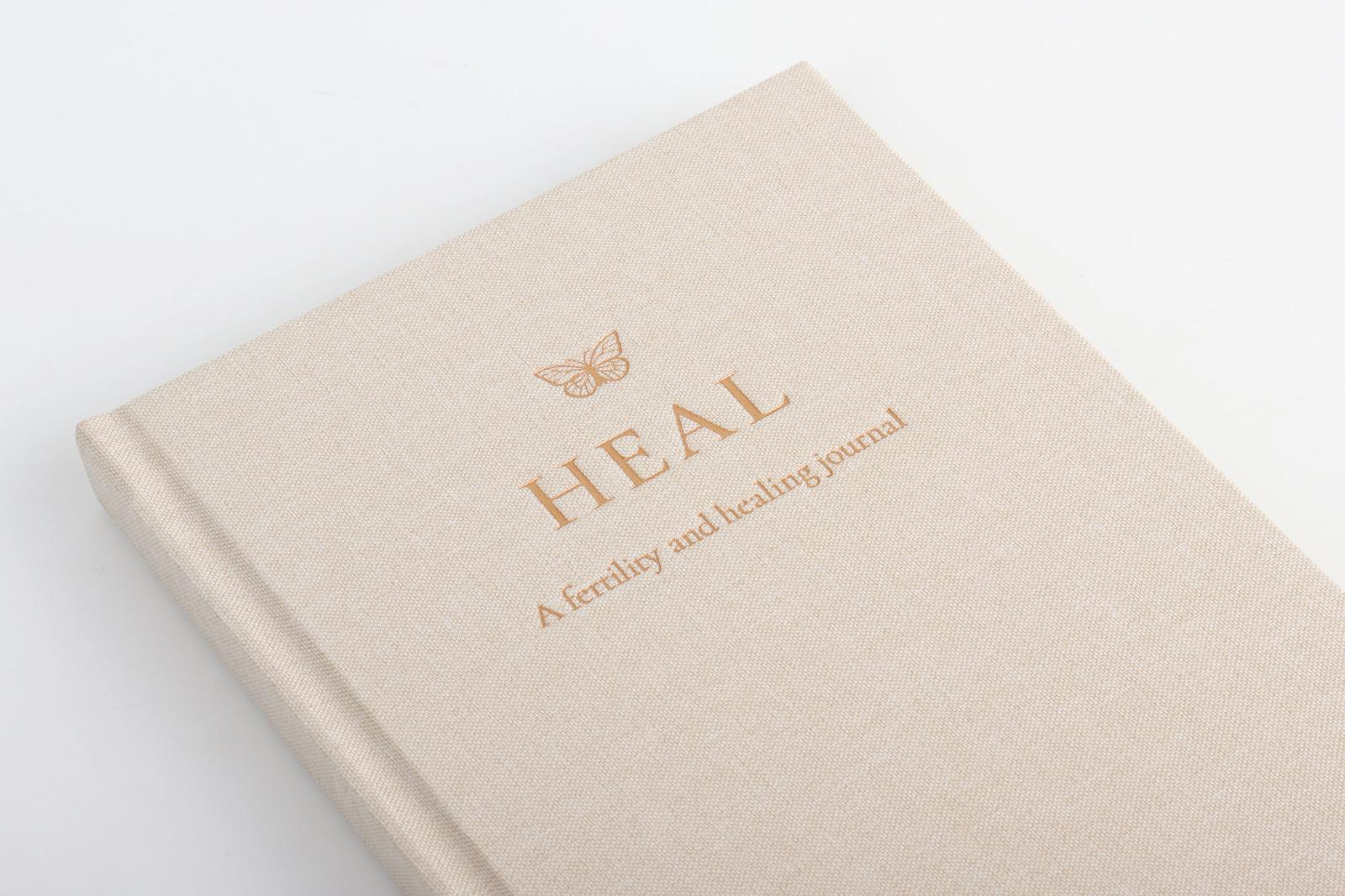
1 in 6 adults are on this journey
Honour
your journey
A premium fertility and miscarriage journal grounded in evidence, designed to hold your story when the words are hard to find
1 in 6
adults affected by
infertility worldwide
WHO, 2023
0
pregnancy losses
every single year
The Lancet, 2021
<7%
receive any emotional
aftercare after loss
BMJ Open, 2020
Millions are navigating this.
Few are truly supported through it.
Over $150 billion is spent annually on fertility treatments worldwide. Success is measured in clinical milestones: beta levels, cycle counts, percentages. The emotional weight carried through each step deserves equal attention, equal care, and a space of its own.
"The body can be treated.
The heart needs to be held."
House of Heal
Your pain has a name
Research confirms what many women already know: the emotional impact of fertility loss is profound, undertreated, and rarely acknowledged by the world around them.
Experience Anxiety
clinically significant anxiety following fertility loss
Fertil Steril, 2020
Higher Risk
more likely to experience anxiety & depression than the general population
Fertil Steril, 2020
Men grieve too.
In silence.
Male partners are almost entirely absent from the conversation. The data tells a story that deserves to be heard and honoured.
0
of male partners experience clinically significant anxiety following pregnancy loss
Frontiers in Psychology, 2022
Coming Soon
House of Heal is building the world's first dedicated fertility grief journal for men.
Where healing begins its next chapter
The Emotional Journey Needs Space
The medical system does incredible work supporting the physical journey. The emotional chapter that follows is deeply personal, and often travels without a dedicated guide. This journal creates that space.
Partners Left Behind
Partners grieve deeply too, yet rarely have a space dedicated to their experience. Many carry their emotions quietly, supporting others while their own loss remains unexpressed and unwitnessed.
Therapy Out of Reach
Professional grief support is invaluable. Grief counselling costs $150–$300 per session, with full courses running $1,200–$3,600 or more. The Heal Journal is designed to complement that support at every stage of the journey.
The Team
The Founders
Built by two people who lived this journey and refused to let it go without meaning.

Sabrina Mansoor
Sabrina knows this journey from the inside. Two losses. Three rounds of IUI. Two IVF cycles. She lived through every waiting room, every hopeful scan, every result that quietly asked her to find resilience she wasn't sure she had. Through it all, she searched for something to hold her story beyond the clinical data, and found very little.
The Heal Journal exists because she built what she needed. Grounded in her Ismaili values of mindfulness, compassion, and service, and shaped by everything she lived through, Sabrina created a space where the emotional journey receives the same care as the physical one.
"I didn't find the journal I needed, so I created it."

Mansoor Azhar
Mansoor co-founded House of Heal from a place of deep personal conviction. Walking alongside Sabrina through their fertility journey gave him an intimate understanding of what couples truly navigate: the emotional weight that goes unacknowledged, the grief that falls between clinical appointments, and the profound absence of anything designed to hold more than data.
With a background in business strategy and operations, Mansoor shapes the commercial vision and long-term foundation of House of Heal. He believes the most enduring companies are built at the intersection of lived experience and purposeful design, and is committed to building House of Heal into a brand that honours both.
"The most meaningful things are built from experiences you never asked for."
What the research shows
Over 30 years of peer-reviewed clinical studies confirm: expressive writing is one of the most powerful, accessible, and evidence-based tools for emotional healing.
Pennebaker RCTs, 1986–2020
reduction in anxiety symptoms through structured expressive writing
Death Studies, 2019 RCT
reduction in grief intensity documented in a randomised controlled trial
The Heal Journal is inspired by
The Heal Journal is a compassionate companion designed to support your emotional journey alongside professional care. It is not a replacement for therapy or medical treatment. If you are experiencing severe distress, we encourage you to reach out to a qualified therapist or counsellor.
From here to healing
Three simple steps stand between you and a journal that was made for this exact moment.
Order
Choose how many journals you'd like and complete checkout securely with Stripe. Free shipping in Canada on 2 or more.
Receive
Delivered to your door in 5–7 business days in signature packaging designed to feel like a gift to yourself.
Begin
Turn to page one. There is no right way. Whether you write one word or fill every line, this journal meets you exactly where you are.
A Vessel for Your Story
179 pages of intentional, guided space. Every prompt, every section, every word is crafted to hold you: whether you are grieving, hoping, or learning to breathe again.
Six chapters of guided recovery
Emotional Processing
CBT-rooted prompts to safely name and release what you're feeling
Self-Care Rituals
Gentle daily practices to restore connection with your body and mind
Guided Meditation
MBSR-informed mindfulness exercises written for moments of overwhelm
Gratitude Practice
Honest, earned gratitude found gently in the small things
Future Planning
Structured space to imagine forward, at your own pace and on your own terms
Letters Section
A private space to write the words that are hardest to say out loud
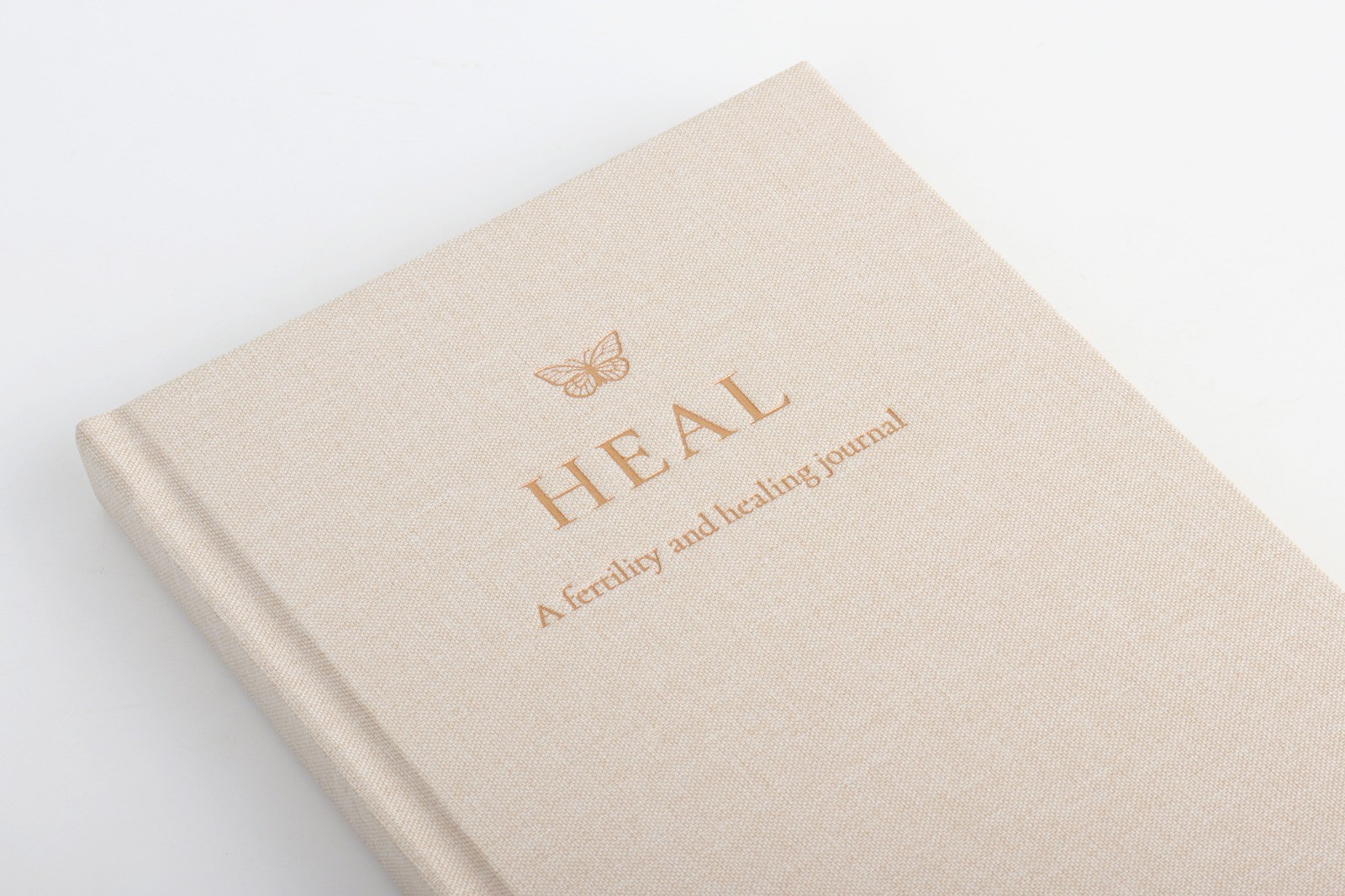
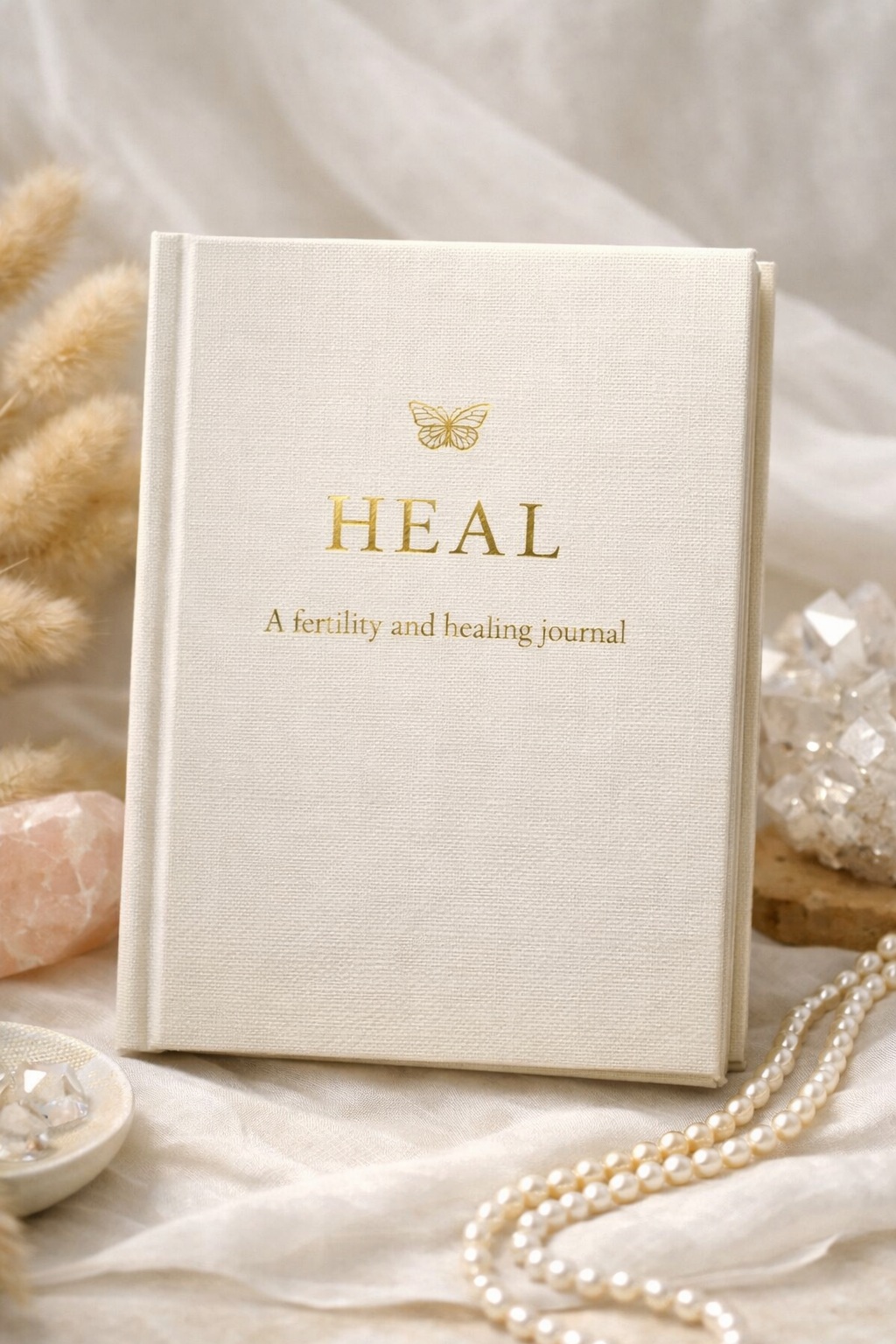
Linen & Gold
wrapped in premium earth-tone linen with gold foil detailing, built to last the journey
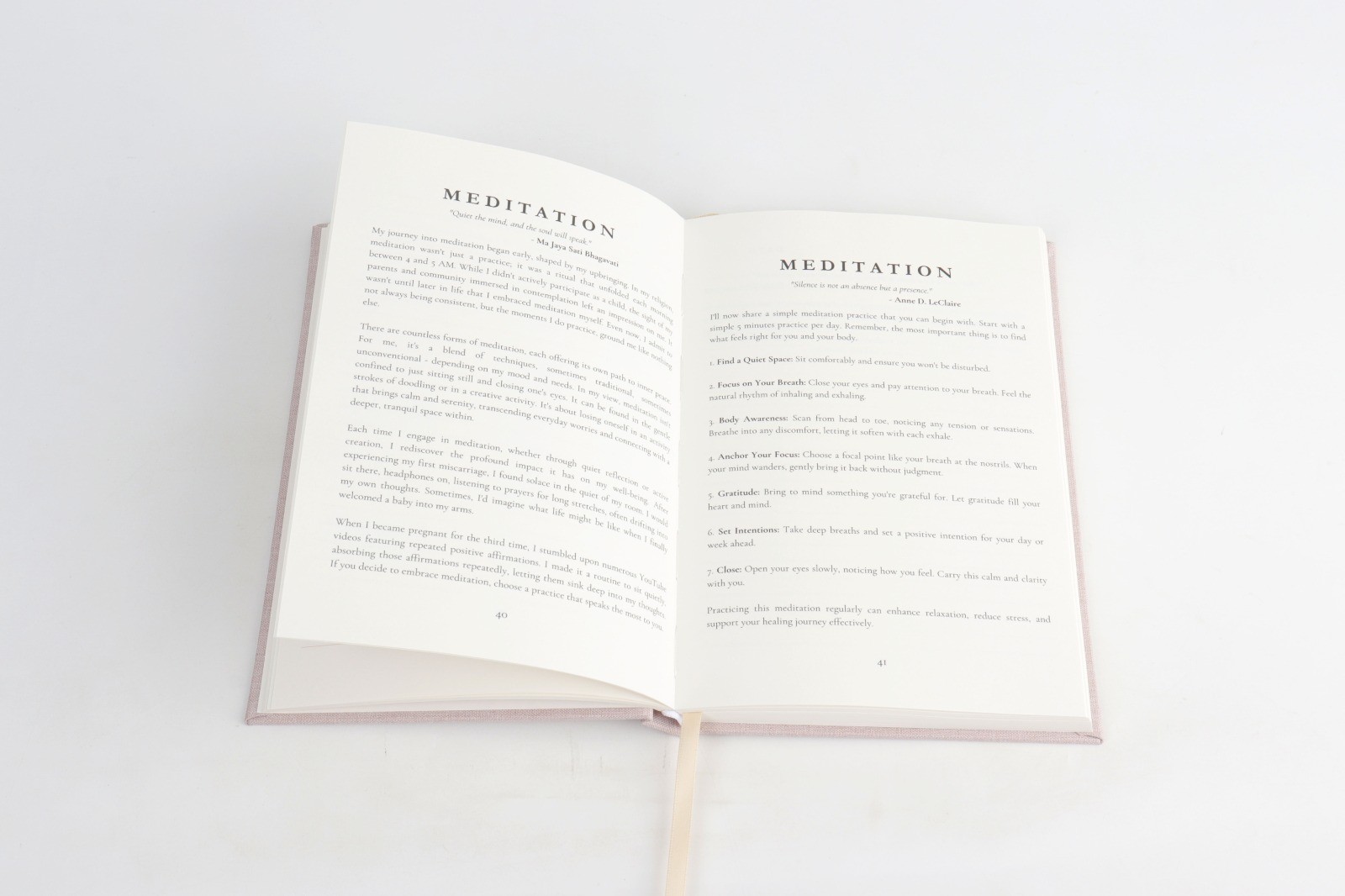
Mindful Awareness
a gentle space to notice how you feel each day, shifting focus from clinical data to emotional well-being
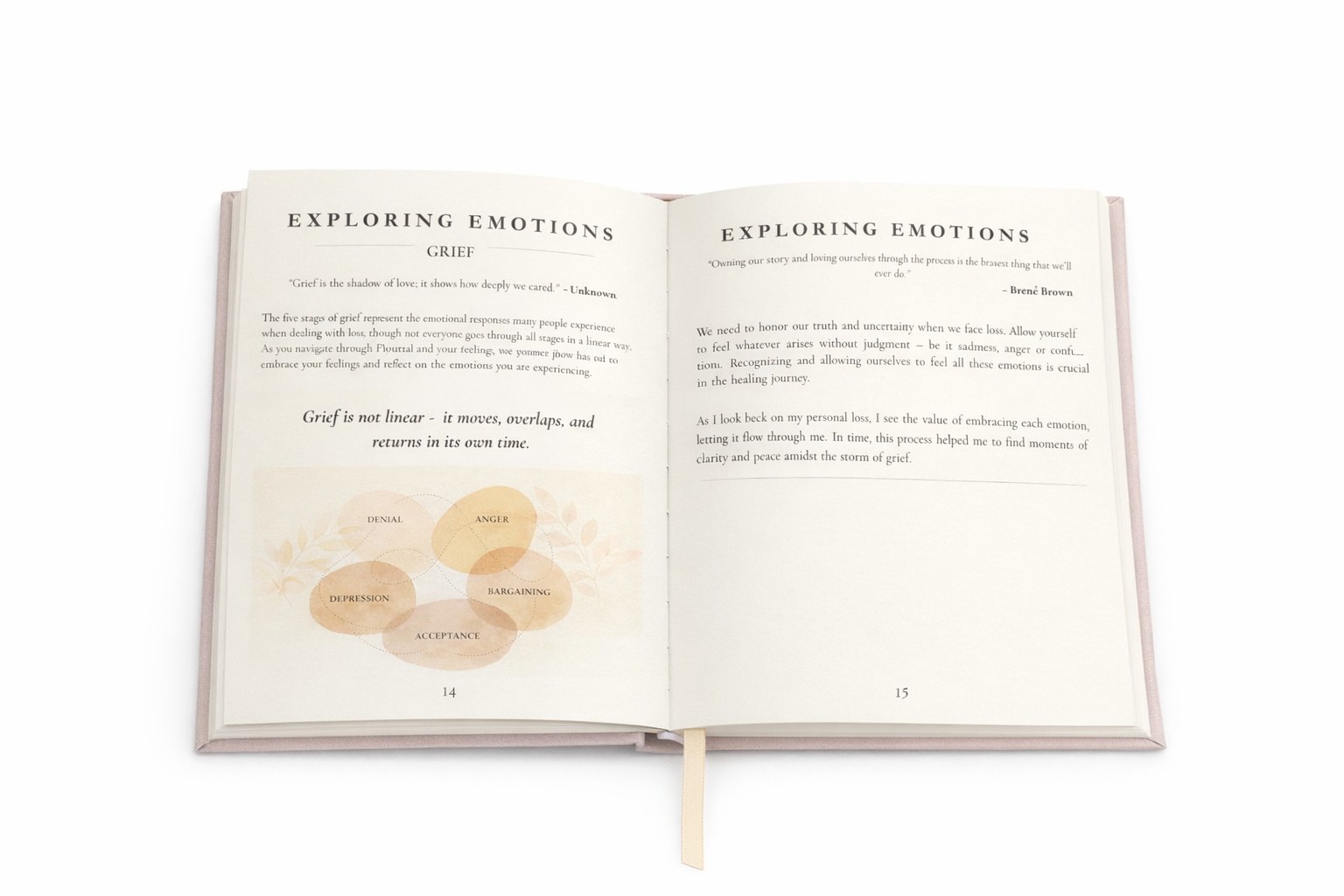
Guided Healing
prompts designed to navigate grief, anxiety, and the courage to hope again
Some journeys ask to be witnessed
"
This journal held space for feelings I didn't have words for. It became my most sacred morning ritual — the one thing I return to every single day.
Sarah M. · IVF Journey · Toronto, ON
"
After three losses, I needed something that understood me without asking me to explain. This journal does exactly that. It was made for this moment.
Priya K. · Recurrent Loss · Vancouver, BC
"
The prompts don't feel clinical. They feel like a conversation with someone who truly understands the grief of this journey — and has walked it themselves.
Emma T. · Beta Reader · London, UK
The Heal Journal
CAD
- 179 pages of guided, evidence-informed prompts
- Premium linen cover with gold foil detailing
- Ships within 2–3 business days to Canada & the United States
- US orders: import duties prepaid, nothing extra to pay on delivery
- Free shipping in Canada on 2 or more journals
Secure checkout by Stripe